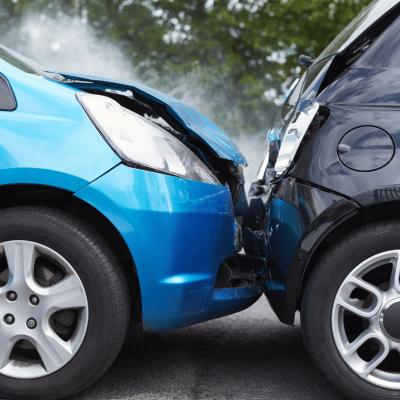
Auto insurance is a necessary component of vehicle ownership, offering financial protection in the event of an accident, theft, or damage. For newbies, comprehending the maze of technical terms, concepts, and coverage options can be difficult. This tutorial seeks to simplify vehicle insurance by clarifying essential words and the many types of coverage offered, so you can make informed decisions about your policy.
Key Terms and Concepts
1. Premium: The amount you pay on a regular basis (monthly, semi-annually, or annually) to keep your auto insurance coverage. Premiums are impacted by your driving history, age, vehicle type, and location.
2. Deductible: The amount you must pay out of pocket before your insurance coverage begins. For example, if you have a $500 deductible and your claim is $1,500, you will pay $500 and the insurance company will pay the remaining $1,000.
3. Policy Limit: The highest amount that an insurer will pay for a covered loss. There are frequently restrictions on several types of coverage within a policy, such as bodily injury per person, bodily injury per accident, and property damage.
4. Claim: A request to your insurance company for payment for a loss covered by your policy. According to your coverage, you can file a claim for vehicle damage, injuries, or other losses.
5. Liability Insurance: This covers any damages or injuries you cause to others in an accident. It is often divided into two categories: bodily injury and property damage liability.
6. Comprehensive Coverage: This policy covers damage to your car caused by non-collision occurrences such as theft, fire, vandalism, or natural disaster.
7. Collision Coverage: This compensates for any damage to your car caused by a collision with another vehicle or item, regardless of fault.
8. Uninsured/Underinsured Motorist Coverage: This policy protects you if you are involved in a collision with a motorist who does not have insurance or has insufficient insurance to cover the losses.
9. Personal Injury Protection (PIP) or Medical Payments (MedPay): These policies cover medical bills for you and your passengers following an accident, regardless of fault. PIP may also compensate missed wages and other associated costs.
Types of coverage available
Understanding the various types of coverage offered is critical when choosing the correct auto insurance policy. Here's a breakdown of the most popular types:
1. Liability insurance:
Most states require liability insurance, which covers the losses you are legally accountable for in an accident. This includes:
- Bodily Injury Liability (BIL): Pays for medical bills, lost wages, and legal fees if you are at fault in an accident that injures another person.
- Property Damage Liability (PDL): Covers the expense of repairing or replacing another person's property that was damaged by your vehicle.
2. Comprehensive coverage:
Comprehensive coverage protects your car against non-collision damage. This includes:
- Theft and vandalism
- Natural calamities (such as floods and storms)
- Fire
- Falling things (such as tree limbs)
- Animal Collisions
Comprehensive coverage protects you from a variety of potential risks to your vehicle.
3. Collision coverage:
Collision coverage provides for damages to your vehicle if it is involved in an accident with another automobile or object, such as a fence or tree. This coverage is critical for protecting the value of your vehicle, especially if you own a newer or more expensive model.
4. Coverage for uninsured or underinsured motorists:
This sort of coverage applies if you are involved in an accident with a driver who either does not have insurance or has insufficient coverage to cover the damages. It helps to cover:
- Medical expenses.
- Vehicle Repair Costs
- Lost wages
- Pain and Suffering
Uninsured/underinsured motorist coverage adds an extra layer of protection, ensuring that you are not left financially vulnerable as a result of another driver's recklessness.
5. Personal Injury Protection (PIP) and Medical Payments (MedPay):
PIP, commonly known as no-fault insurance, pays for medical bills for you and your passengers regardless of who caused the accident. In some states, PIP is mandated and includes:
- Lost wages
- Rehabilitation costs.
- Funeral expenditures
MedPay, like PIP, covers medical bills but often excludes missed income and other non-medical expenditures. It's frequently voluntary, yet it may safeguard your health and finances.
6. Gap Insurance:
Gap insurance is essential for anyone who finances or leases their automobile. It pays the difference between the amount you owe on your vehicle and its actual cash value (ACV) in the event of a total loss. Without gap insurance, you could end up paying out of pocket for a car you no longer own.
Auto insurance is a critical safety for vehicle owners, providing coverage against a wide range of risks and obligations. You may choose the best policy for your needs by learning essential concepts like premiums, deductibles, and policy limitations, as well as becoming familiar with different types of coverage including as liability, comprehensive, collision, and uninsured/underinsured motorist. Remember, the finest policy strikes a balance between comprehensive coverage and reasonable premiums, providing peace of mind on the road.
Auto
Understanding the Basics of Auto Insurance: A Beginner's Guide
Navigate the world of auto insurance with confidence

Continue exploring
More from the journal


The Impact of the Affordable Care Act on Access to Healthcare
Expanding access to healthcare for millions
Read article